

Getting into the kitchen can feel like stepping into a science lab—minus the safety goggles and questionable experiments. For beginners, food projects offer a delightful way to unleash creativity while mastering essential skills. Whether it’s whipping up a batch of cookies or attempting the infamous sourdough starter, these projects promise a tasty triumph (or at least a fun disaster).
Benefits Of Beginner Food Projects
Engaging in beginner food projects offers numerous advantages. These projects foster creativity and provide opportunities for individuals to learn practical skills in the kitchen.
Skill Development
Cooking provides essential skills that enhance one’s culinary repertoire. Beginners learn basic techniques such as chopping, measuring, and mixing. Discovering how to follow recipes builds comprehension of ingredient interactions. Gaining familiarity with various cooking methods fosters versatility. Experimentation with flavors and textures encourages innovation. Over time, individuals refine their palates and become adept at balancing flavors. Progressing from simple tasks to more complex dishes creates a solid foundation for future culinary endeavors.
Confidence Building
Building confidence in the kitchen comes naturally through practice. Successful completion of beginner food projects instills a sense of accomplishment. Facing challenges, such as timing and ingredient selection, cultivates problem-solving skills. When one improves, motivation increases to tackle more complex recipes. Sharing results with family and friends enhances social connections and boosts self-esteem. Experimenting with new recipes provides opportunities for personal growth. Ultimately, every dish prepared represents a step toward culinary independence and mastery.
Easy Beginner Food Projects
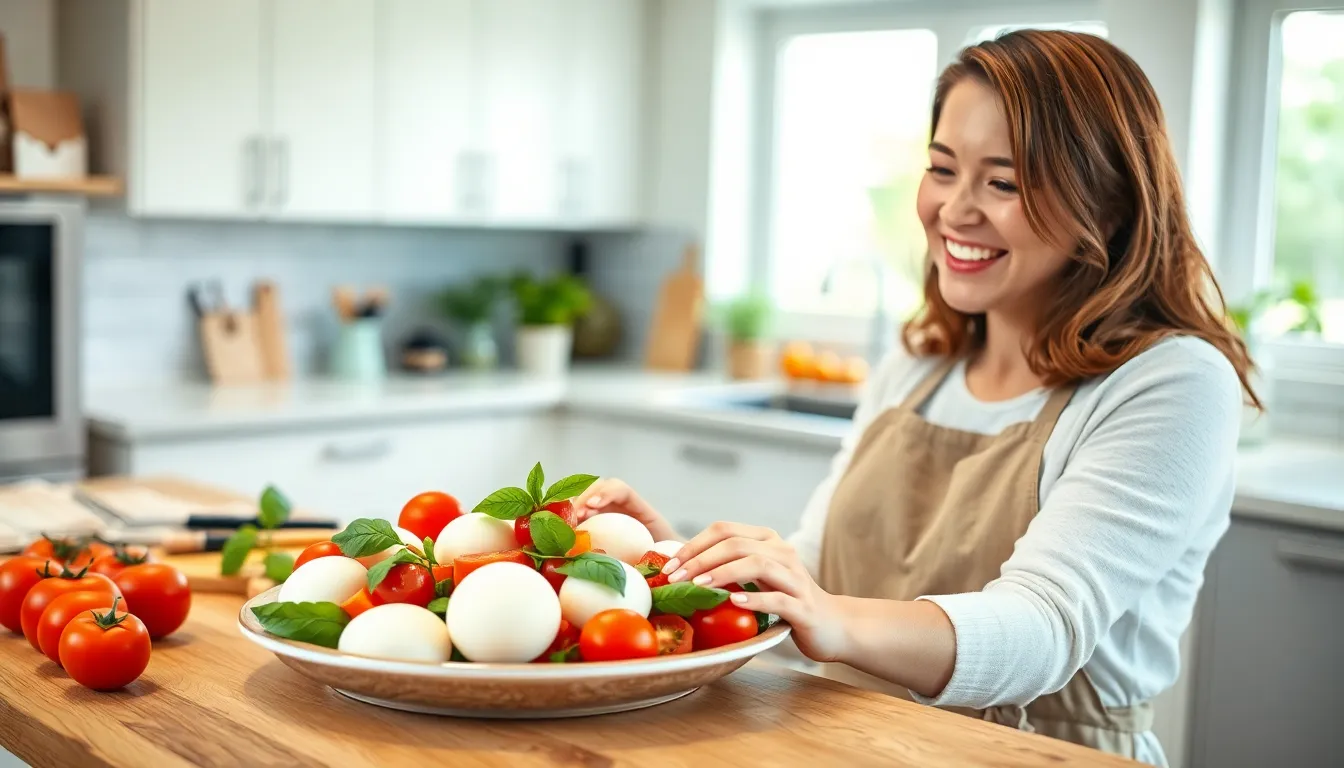
Beginner food projects provide opportunities to develop skills and creativity in the kitchen. Engaging with these projects leads to enjoyable experiences and practical knowledge.
No-Cook Recipes
No-cook recipes serve as excellent starters for those new to the culinary world. Beginners can prepare salads, sandwiches, and dips easily without heat. For instance, a classic Caprese salad consists of fresh mozzarella, tomatoes, basil, olive oil, and balsamic vinegar. Another option is a peanut butter banana sandwich, which requires only bread, peanut butter, and sliced bananas. Yogurt parfaits, layered with yogurt, granola, and fruits, also present a nutritious and quick choice. These recipes enhance confidence and allow individuals to experiment with flavors while mastering combinations.
Simple Baking Projects
Simple baking projects introduce beginners to the joys of working with heat. Cookies stand out as a quintessential choice, with chocolate chip cookies being both classic and forgiving. Following a straightforward recipe, novices learn measuring and mixing skills. Brownies also offer a versatile baked option, requiring minimal ingredients while delivering rich flavor. Muffins can accommodate various ingredients, allowing for creativity in combinations like blueberry or banana-nut. These baking endeavors not only deliver delicious results but also instill a sense of accomplishment, encouraging further exploration in the kitchen.
Tips For Successful Food Projects
Successful food projects require careful consideration and attention to detail. Beginners can enhance their cooking experience by focusing on planning and preparation, alongside maintaining safety precautions.
Planning And Preparation
Effective planning ensures a smooth cooking process. Gather all ingredients and tools before starting. Recipe reviews also help understand necessary steps and time requirements. Organizing the workspace boosts efficiency, reducing stress. Beginners should prioritize measuring ingredients accurately and reading through recipes thoroughly. Creating a list of tasks can keep projects on track. This preemptive approach fosters confidence, leading to enjoyable cooking experiences.
Safety Precautions
Safety matters in every kitchen, especially for beginners. Always wash hands before and after handling food to prevent contamination. Wearing appropriate attire, such as aprons and closed-toe shoes, can prevent accidents. Using sharp knives requires attention; it’s essential to cut away from the body. Keep hot surfaces and liquids away from the edges to minimize spills. Additionally, beginners should ensure that all appliances are used according to manufacturer instructions. Adopting these safety practices creates a secure cooking environment that allows creativity to flourish.
Resources For Beginner Food Projects
Numerous resources exist to support beginner food projects, enhancing the cooking experience and encouraging skill development.
Books And Online Courses
Beginner food enthusiasts can benefit from instructional books that focus on fundamental techniques and recipes. Books such as “Salt, Fat, Acid, Heat” by Samin Nosrat offer essential insights into cooking principles. Online platforms like MasterClass and Coursera provide courses specifically designed for novice cooks, featuring step-by-step guidance from professional chefs. Those resources present interactive learning methods, enabling participants to engage with the material and practice skills effectively.
Community Support
Connecting with local or online communities offers immense support for individuals embarking on beginner food projects. Social media platforms like Instagram and Facebook host groups where members share experiences, share recipes, and exchange tips. Attending local cooking classes or workshops allows beginners to interact directly with others who share their interests. Engaging in these communities fosters encouragement and shared learning, enhancing cooking confidence and creativity.
Exploring beginner food projects opens up a world of creativity and learning in the kitchen. Each recipe serves as an opportunity to experiment and grow culinary skills while enjoying the process. The sense of accomplishment from completing a dish can be incredibly rewarding and encourages further exploration.
With the right resources and community support, anyone can embark on their cooking journey with confidence. Whether it’s a simple no-cook recipe or a delightful baked treat, these projects not only enhance cooking abilities but also foster connections with others. Embracing the joy of cooking leads to a fulfilling experience that transforms beginners into confident home chefs.


