

In a world where cooking is often seen as a chore, children’s cookbooks spark joy and creativity in the kitchen. These colorful volumes invite young chefs to explore flavors and techniques, turning mealtime into an exciting adventure. With engaging illustrations and simple instructions, they empower kids to whip up delicious dishes while developing essential life skills.
Cooking together not only nurtures a child’s culinary talents but also fosters family bonding. As they mix, measure, and taste, children gain confidence and a sense of accomplishment. Plus, these cookbooks often include fun facts and stories that make learning about food enjoyable. Whether it’s baking cookies or crafting healthy snacks, children’s cookbooks offer a delightful way to inspire the next generation of food lovers.
Importance Of Children’s Cookbooks
Children’s cookbooks play a vital role in fostering culinary skills and a love for food. They serve as tools that not only engage children in cooking but also enrich their understanding of nutrition and creativity in the kitchen.
Benefits Of Cooking For Kids
Cooking offers numerous benefits for kids, including:
- Skill Development: Children enhance their motor skills by chopping, stirring, and measuring ingredients, promoting hand-eye coordination.
- Math and Science Understanding: Recipes introduce basic math concepts like counting, fractions, and measuring while also demonstrating scientific principles through cooking processes.
- Creativity: Kids can experiment with flavors and presentation, encouraging their creative expression in meal preparation.
- Responsibility: Through cooking, children learn to follow instructions and manage tasks, instilling a sense of responsibility.
- Confidence: Successfully preparing a meal boosts self-esteem, making children more willing to try new things.
Encouraging Healthy Eating Habits
- Incorporating Nutrition Education: Many cookbooks explain the benefits of various foods, empowering kids to make informed choices.
- Promoting Variety: Recipes that include different fruits, vegetables, and grains help children expand their palate and learn about diverse foods.
- Making Cooking Fun: Engaging activities and themes invite children to explore healthy food without feeling restricted.
- Family Involvement: Cookbooks often promote cooking as a family activity, reinforcing healthy habits through shared experiences.
- Encouraging Cooking at Home: Recipes that require simple ingredients make it easier for families to cook together and create healthier meals compared to fast food options.
Top Children’s Cookbooks
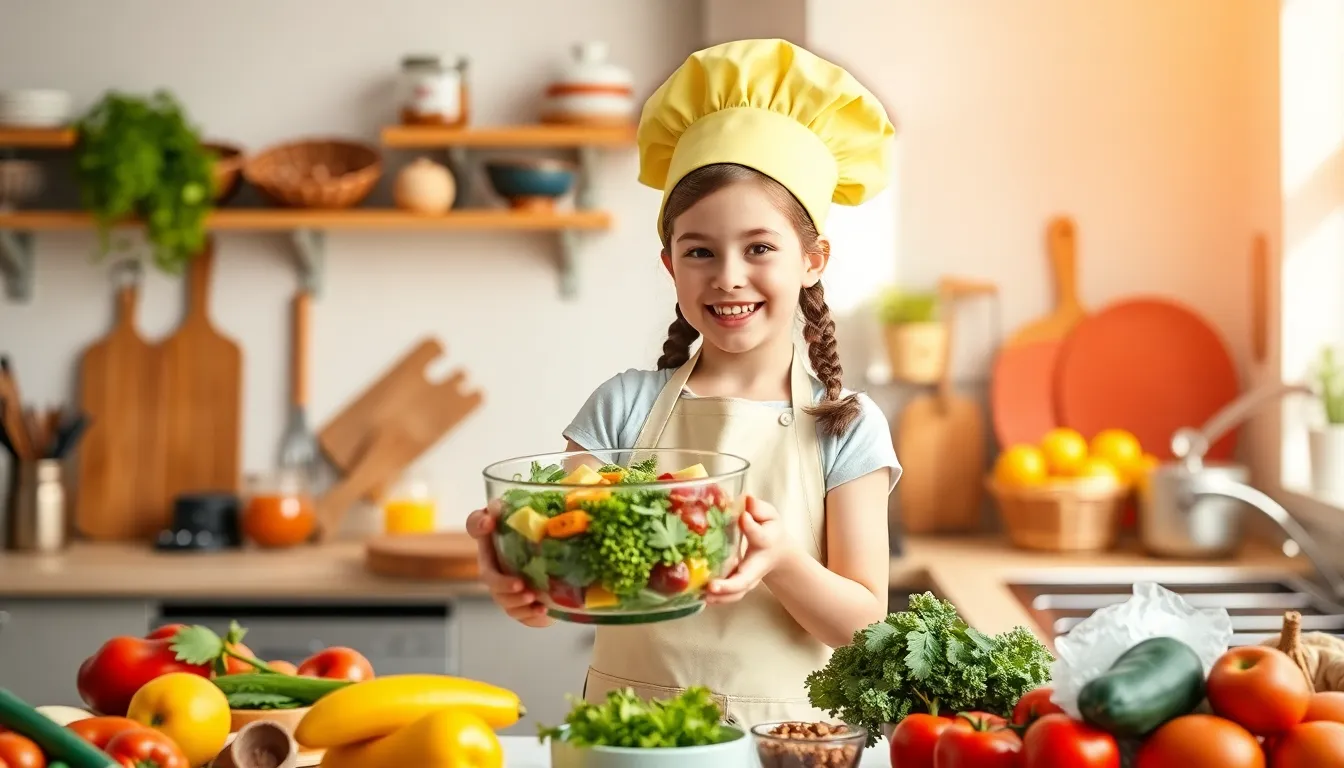
Children’s cookbooks offer a vibrant selection of recipes suited for young chefs. They serve as excellent tools to inspire culinary creativity and family bonding.
Classic Favorites
Classic children’s cookbooks include timeless titles that continue to engage young cooks. These beloved books provide simple yet captivating recipes.
- “The Complete Cookbook for Young Chefs”: This comprehensive guide features over 100 kid-friendly recipes, promoting independence in the kitchen.
- “Blueberry Muffins and Other Recipes” by Ute Fuhr: This fun collection uses engaging storytelling to teach children about baking and nutrition.
- “Cooking Class: 57 Fun Recipes Kids Will Love to Make (and Eat!)”: This interactive cookbook encourages young chefs to explore diverse culinary skills.
New Releases
Recent children’s cookbooks introduce innovative ideas and modern flavors. They reflect current food trends while remaining accessible.
- “The Cool Kids Cookbook”: This vibrant book presents recipes that emphasize healthy eating and fresh ingredients.
- “Tasty Ultimate: How to Cook in 5 Easy Steps”: This recent addition includes visually appealing recipes with straightforward instructions, perfect for first-time cooks.
- “Yummy Adventures: A Kid’s Cookbook”: This engaging volume encourages creativity through colorful illustrations and fun facts, making the cooking process exciting and educational.
Features To Look For In A Children’s Cookbook
Selecting the right children’s cookbook involves considering several features that enhance the cooking experience. Key characteristics include age appropriateness and visual appeal, both of which significantly contribute to engaging young chefs.
Age Appropriateness
Age appropriateness ensures that the cookbook suits the child’s skill level and understanding. Look for books designed for specific age groups. For example, cookbooks for younger children often feature no-cook recipes or very simple techniques. Titles suitable for older kids might include more advanced cooking methods and ingredient insights. Age-appropriate cookbooks balance challenging tasks with achievable outcomes, fostering confidence and skill development as children progress.
Visual Appeal
Visual appeal plays a crucial role in attracting children’s interest and encouraging them to cook. Colorful illustrations and engaging photographs of finished dishes inspire creativity and excitement. Books with step-by-step images often provide helpful guidance, making the cooking process clearer. Interactive elements, such as stickers or fun facts, enhance engagement and make learning about food enjoyable. An aesthetically pleasing cookbook captures children’s attention, motivating them to explore recipes and take part in the cooking adventure.
How To Engage Children In Cooking
Engaging children in cooking creates lasting memories and valuable skills. Various techniques encourage participation while making the process enjoyable.
Making It Fun
Incorporating fun into cooking attracts children’s attention and keeps them engaged. Here are a few strategies:
- Use Themed Recipes: Select recipes based on special occasions, popular characters, or seasonal themes. For example, Halloween-themed cookies or holiday treats make cooking appealing.
- Create Cooking Challenges: Introduce friendly competitions, like who can decorate the best cupcake or create the most colorful salad. Challenges inspire creativity and teamwork.
- Incorporate Games: Turn cooking into a game with scavenger hunts for ingredients or timed cooking contests. Games infuse excitement into the kitchen.
- Celebrate Small Wins: Acknowledge achievements, like mastering a technique or completing a dish. Celebrating milestones boosts confidence and motivation.
Teaching Basic Cooking Skills
Teaching children essential cooking skills builds a strong foundation. Focus on these key skills:
- Knife Safety: Introduce safe handling techniques with child-friendly knives. Teaching proper grip and cutting guidelines instills safety awareness.
- Measuring Ingredients: Educate children on measuring techniques using cups and spoons. Understanding measurements enhances math skills and fosters accuracy.
- Mixing Techniques: Demonstrate mixing methods, such as folding, whisking, or beating. These skills encourage children to experiment with textures and flavors.
- Cooking Methods: Explain basic cooking methods, including baking, boiling, and sautéing. Familiarity with these techniques opens up a variety of recipes they can explore.
By integrating fun activities and teaching fundamental skills, children’s enthusiasm for cooking grows, setting the stage for lifelong culinary adventures.
Children’s cookbooks serve as a gateway to culinary exploration and creativity. They empower young chefs to embrace cooking as a fun and rewarding activity. With engaging visuals and simple recipes, these books not only develop essential skills but also foster a lifelong love for food and healthy eating habits.
By involving the whole family in the cooking process, these cookbooks strengthen bonds and create lasting memories around the kitchen. As children experiment with flavors and techniques, they gain confidence and a sense of accomplishment. Ultimately, children’s cookbooks are more than just recipe collections; they inspire a joyful culinary journey that enriches children’s lives and nurtures their passion for cooking.


