
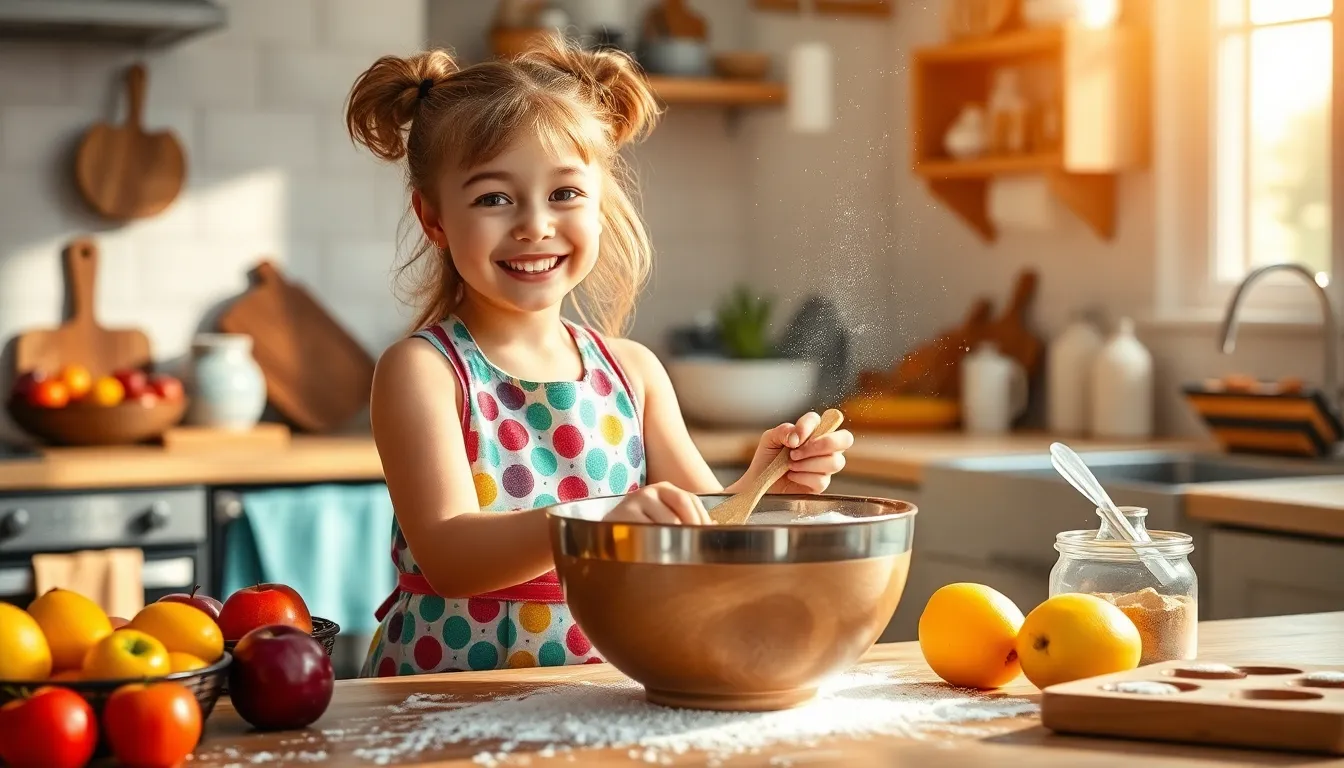
When it comes to keeping kids engaged, food isn’t just a necessity; it’s a secret weapon. Turning mealtime into playtime can spark creativity and excitement, making even the pickiest eaters dive into their plates with glee. Who knew that a little flour and some goofy aprons could lead to a culinary adventure?
Benefits of Food Activities for Kids
Food activities offer numerous advantages for children. Engaging kids in the kitchen not only enhances their culinary skills but also enriches their overall development.
Enhancing Learning and Development
Food activities promote essential life skills. Children practicing measuring, counting, and following directions improve their math and reading abilities. They gain exposure to different cultures through diverse cuisines, fostering an appreciation for global traditions. Engaging in meal prep encourages responsibility, as kids learn the importance of planning and organization. Social skills also develop when children cook together, promoting teamwork and communication.
Fostering Creativity and Imagination
Creativity flourishes during food-related activities. Kids experiment with flavors and textures, allowing them to create unique dishes. Constructing edible art with fruits and vegetables sparks their imagination. Inventing new recipes becomes a fun challenge, encouraging problem-solving skills. These activities also allow for self-expression, as children can present their culinary creations in imaginative ways.
Popular Food Activities for Kids
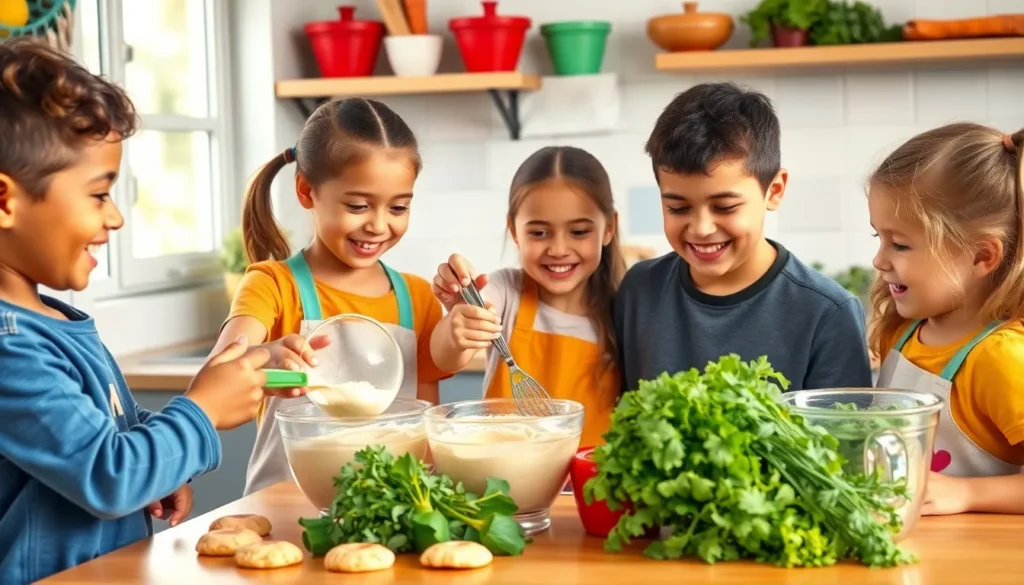
Engaging kids in food-related activities cultivates creativity and learning. Parents can explore various projects that entertain while educating children about food.
Cooking and Baking Projects
Cooking and baking projects offer hands-on experience in the kitchen. Kids measure ingredients and follow recipes, enhancing math and reading comprehension skills. Simple tasks, like stirring or pouring, empower children to take ownership of their creations. Recipes like cookies or homemade pizza allow for customization, inviting kids to experiment with flavors and toppings. Tasty results inspire pride in their culinary efforts. Engaging in these projects also provides a platform for family bonding, as everyone can contribute and share the final dish.
Gardening and Growing Food
Gardening activities introduce children to food sources while teaching them about nature. Planting herbs or vegetables helps kids understand plant cycles and the importance of nutrition. Responsibilities like watering and weeding foster a sense of accountability. Harvesting fresh produce allows children to connect with what they eat, promoting healthier food choices. Food gardening also encourages exploration of diverse cuisines, as kids can try preparing dishes with the herbs they cultivate. Overall, nurturing plants blends learning and fun, reinforcing the significance of sustainable practices.
Food Activities for Different Age Groups
Engaging children in food activities varies by age, offering appropriate challenges and fun experiences. Each age group benefits from tailored activities that enhance their skills and knowledge.
Activities for Toddlers
Toddlers enjoy sensory experiences, making food activities both exciting and educational. Simple tasks like mixing ingredients or finger painting with yogurt introduce them to different textures. They can help with assembling sandwiches using soft bread and cut vegetables, fostering independence. Allowing children to choose toppings for mini pizzas promotes creativity and decision-making. Planting seeds in small pots lets them discover where food comes from, enhancing their understanding of nature. Encouraging toddlers to wash fruits and vegetables can instill healthy habits early on.
Activities for School-Aged Children
School-aged children gain valuable skills through more complex food activities. They can engage in baking, choosing recipes that require measuring and mixing, which sharpens math comprehension. Culinary projects like making homemade pasta or crafting salads allow for culinary exploration and creativity. Involving them in meal planning teaches responsibility and decision-making. Gardening activities foster a deeper connection to food, as they learn about growing ingredients and nutrition. Group cooking sessions also enhance teamwork and communication skills, creating fun memories with family or friends.
Tips for Making Food Activities Enjoyable
Making food activities enjoyable for kids requires planning and creativity. Engaging children in the kitchen should focus on their safety and participation.
Ensuring Safety in the Kitchen
Creating a safe cooking environment is essential. Supervision remains crucial, especially for younger children around sharp tools and hot surfaces. Using child-friendly utensils can prevent accidents. Teaching kids the importance of washing hands reinforces hygiene. Establishing rules about not running or being distracted ensures focus. Utilizing age-appropriate tasks empowers children while maintaining safety. Remember, discussing safety precautions before cooking helps set expectations.
Encouraging Participation and Teamwork
Encouraging kids to participate fosters a sense of ownership and teamwork. Letting them choose recipes engages their interest and investment. Assigning tasks based on age and skill levels promotes collaboration. Coordinating activities like washing, chopping, or assembling dishes creates shared experiences. Celebrating individual contributions boosts confidence and reinforces group dynamics. Also, aiming for a family cooking night establishes routine involvement, making it both fun and educational. Working together in the kitchen strengthens bonds while enriching their culinary journey.
Engaging kids in food activities opens up a world of creativity and learning. These experiences not only make mealtime enjoyable but also contribute significantly to a child’s development. By allowing children to explore cooking baking and gardening they gain essential life skills while fostering a deeper connection to food and nutrition.
Whether it’s measuring ingredients or working together as a team these activities build confidence and promote healthy habits. They also create lasting memories that families can cherish. Embracing food activities is a fun and impactful way to nurture children’s growth while instilling an appreciation for diverse culinary traditions.


