

Food isn’t just for eating; it’s a passport to adventure! Whether it’s whipping up a gourmet meal or diving into a messy cupcake decorating contest, food activities bring people together in the most delightful ways. Imagine the laughter echoing through the kitchen as friends battle it out in a pancake flip-off or the joy of discovering new flavors during a cooking class.
Overview of Food Activities
Food activities go beyond mere cooking; they create memorable experiences. Chef-led classes provide hands-on skills for participants, while home-based cooking sessions foster a sense of community. Competitions like cupcake decorating engage creativity and teamwork, drawing friends together for fun. Tasting events offer opportunities to explore various cuisines and expand culinary knowledge.
Food festivals attract food lovers, presenting flavors from local vendors. Workshops focus on specific techniques, such as pasta-making or chocolate tempering, enhancing culinary ability. Garden-to-table initiatives encourage individuals to grow their ingredients, enriching the cooking process. Pairing food with wine or craft beer enhances the overall tasting experience, revealing new flavor profiles.
Interactive dining experiences, like themed dinners or murder mystery nights, captivate participants with engaging narratives. Cooking challenges, such as “Chopped” style competitions, stimulate friendly rivalry and innovation. These activities not only strengthen relationships but also spark creativity and inspire culinary exploration.
By participating in these food activities, individuals broaden their culinary skills and enjoy social interactions. Engaging in cooking with others increases confidence in the kitchen, while exploring different cuisines fosters appreciation for diverse cultures. These activities highlight how food can serve as a unifying force, creating lasting memories around shared meals and experiences.
Popular Food Activities for Families
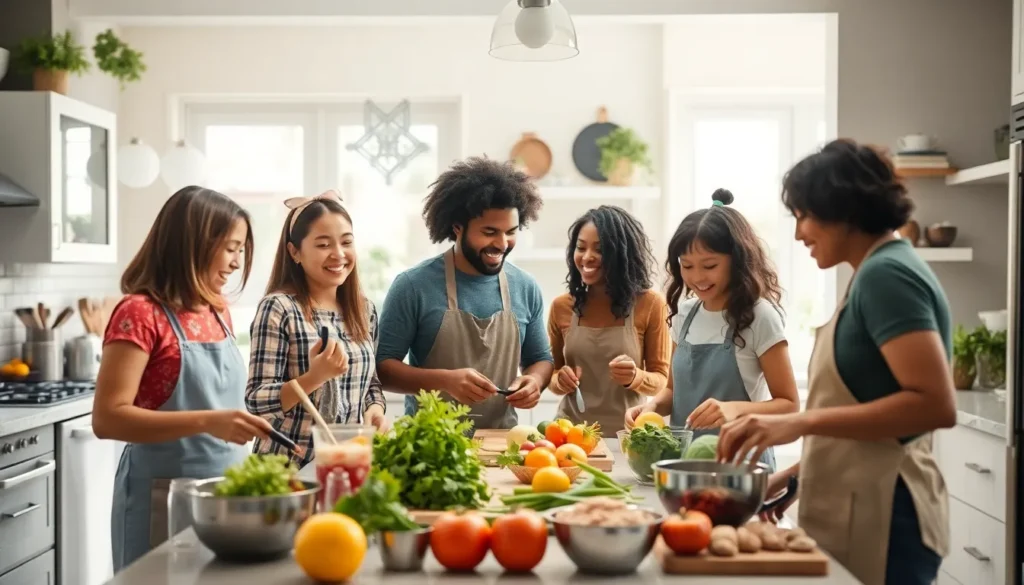
Engaging in food activities fosters connections and creates lasting memories. Families can enjoy a range of experiences together.
Cooking Together
Cooking together enhances teamwork and sparks creativity. Each member can contribute by selecting recipes, gathering ingredients, and preparing dishes. Kids learn valuable skills while parents share their culinary knowledge. Fun themes, like international cuisine nights, encourage exploring different cultures. Recipe challenges, such as creating meals with limited ingredients, promote creativity. Celebrating successes with a family dinner further solidifies the experience.
Exploring Local Markets
Exploring local markets introduces families to fresh produce and unique ingredients. Visiting farmers’ markets fosters an appreciation for local agriculture while supporting community growers. Families can engage in conversations with vendors, learning about the origin of products. Kids enjoy discovering new vegetables and fruits, expanding their palate. Exploring local food artisans, such as bakeries and cheese makers, adds excitement to the experience. Sampling homemade goods often creates fond memories and ignites a passion for cooking with quality ingredients.
Food Activities for Kids
Food activities provide engaging opportunities for kids to explore their culinary skills and teamwork. These experiences promote creativity while strengthening family bonds.
Fun Cooking Classes
Cooking classes designed for kids create interactive learning environments. Participants enjoy hands-on activities that teach essential cooking techniques, such as chopping, measuring, and mixing. Classes often focus on kid-friendly recipes, allowing young chefs to enjoy success while developing confidence. Engaging with peers fosters collaboration and encourages sharing ideas. Expert instructors guide children in a supportive manner, ensuring safety while enhancing skills. This type of environment cultivates a passion for cooking and inspires lifelong culinary adventures.
Educational Food Tours
Food tours tailored for kids deliver a unique way to learn about diverse cuisines. They often include visits to local farms, markets, or even food production facilities. During these tours, participants discover the origins of their favorite ingredients, deepening their understanding of food sources. Engaging with local vendors and artisans helps children appreciate community efforts and culinary traditions. Sampling fresh produce and other local delights encourages adventurous eating habits and an openness to new flavors. Overall, educational food tours blend fun with learning, enriching children’s experience with food in various settings.
Social Food Activities
Social food activities foster connections and create memorable experiences. Engaging with others over food can deepen relationships and spark joy.
Potluck Dinners
Potluck dinners promote sharing and community spirit. Guests bring a dish, showcasing their culinary talents and favorite recipes. This variety leads to a delightful spread for everyone to enjoy. Friends and families often use these gatherings to bond, share stories, and celebrate achievements. Participants may discover new favorite dishes while enjoying familiar flavors. Inviting guests to share their heritage through food encourages cultural exchange. Setting themes, like seasonal dishes or international cuisines, can elevate the experience and spark creativity.
Food Tasting Events
Food tasting events allow participants to explore diverse cuisines. Attendees sample various dishes, enhancing their culinary knowledge and palate. Local restaurants and chefs often collaborate to showcase specialty items. This format encourages guests to interact and discuss their favorites. Networking occurs naturally in such relaxed environments, connecting food lovers. Innovative combinations and unique flavors may inspire home-cooking experiments. These events create a sense of community centered around food appreciation. For those passionate about cooking, these experiences can ignite enthusiasm for trying new recipes.
Creative Food Activities
Creative food activities provide unique outlets for expression and skill development while fostering connections. Engaging in food-related projects sparks imagination and enjoyment for individuals or groups.
Food Art Projects
Food art projects transform culinary creations into visually stunning masterpieces. Plating techniques can enhance the appeal of dishes, encouraging creativity. Additionally, activities like fruit carving or cupcake decorating turn ordinary foods into works of art, capturing attention and delighting participants. The process of arranging ingredients allows individuals to explore textures and colors while honing their artistic skills. Sharing these artistic creations also fosters collaboration and communication, making meals memorable.
DIY Food Challenges
DIY food challenges encourage friendly competition and creativity in the kitchen. Participants select themes or ingredients, pushing their culinary limits. Challenges, such as cookie decorating contests or “Chopped”-style cook-offs, offer exciting opportunities to experiment with flavors and techniques. These activities promote teamwork as participants brainstorm ideas and share responsibilities. Engaging in time-limited cooking contests helps sharpen decision-making abilities under pressure. Overall, DIY food challenges provide enjoyment and foster connections through creativity and collaboration.
Food activities offer a vibrant way to connect with others while exploring diverse flavors and culinary skills. They create memorable experiences that go beyond just cooking. Engaging in these activities fosters creativity teamwork and a deeper appreciation for local ingredients.
Families can bond over cooking sessions or local market visits while kids can develop essential skills through interactive classes and tours. Social gatherings like potlucks and food tastings enhance community spirit and cultural exchange.
Ultimately food activities serve as a powerful medium for connection creativity and exploration making every meal an opportunity for joy and lasting memories.


