
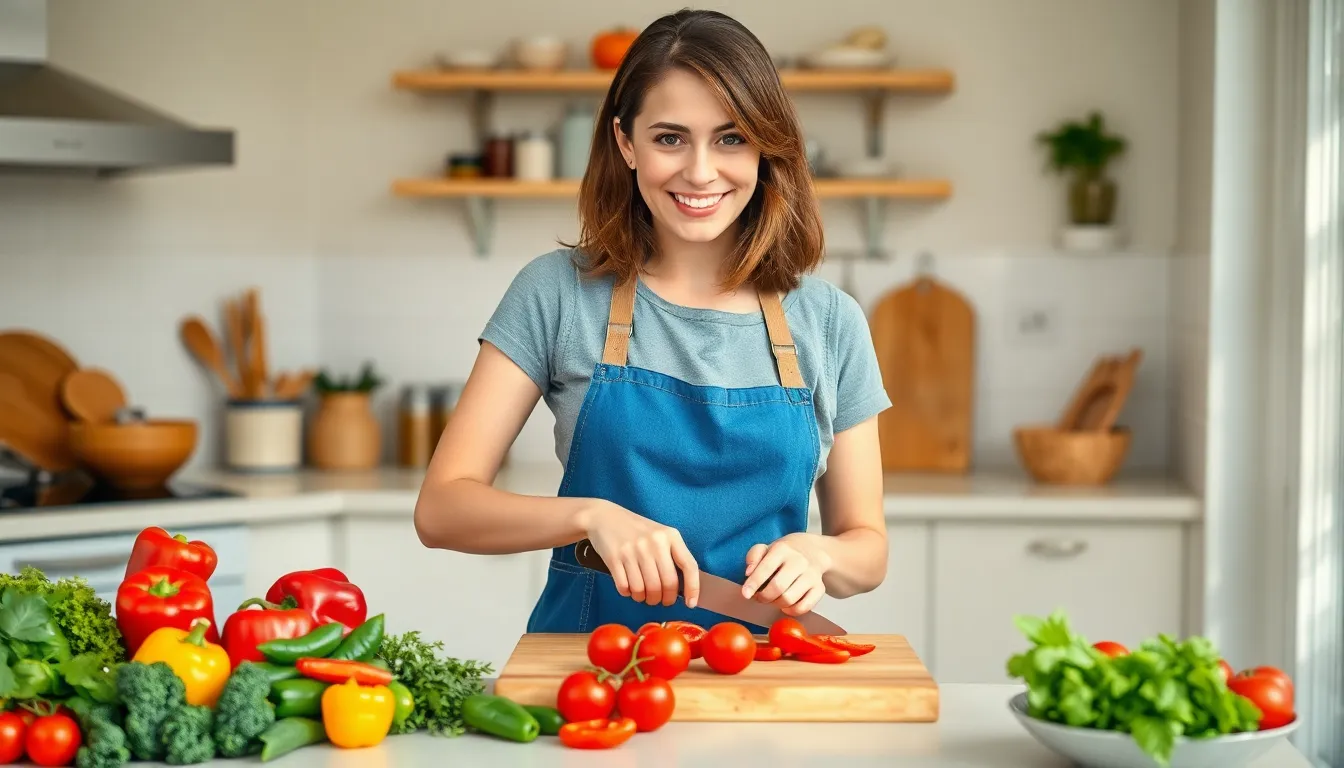
Cooking might seem daunting at first, but mastering the basics can turn anyone into a culinary wizard—minus the pointy hat and wand. Imagine whipping up delicious meals that not only impress friends but also save money on takeout. Learning to cook is like discovering a secret superpower that transforms everyday ingredients into mouthwatering masterpieces.
Importance of Learning to Cook Basics
Mastering fundamental cooking skills empowers individuals in the kitchen. Cooking basics form the foundation for more complex culinary techniques. Knowledge of essential skills leads to healthier eating habits. Understanding how to prepare meals at home minimizes reliance on expensive takeout options.
Gaining confidence in the kitchen fosters creativity. Learning to cook allows individuals to experiment with flavors and ingredients. Exploring different cuisines enhances appreciation for global cultures. Preparation of simple dishes can also inspire more ambitious cooking endeavors.
Cooking basics save time during busy weekdays. By having a repertoire of simple recipes, individuals can whip up meals quickly. Strategizing ahead for meal prep reduces stress, making weeknight dinners more enjoyable.
Cost-effectiveness becomes apparent when cooking at home. Home-cooked meals typically require fewer resources than frequent restaurant visits. Purchasing ingredients in bulk also increases savings over time.
A focus on learning to cook fosters community. Inviting friends or family for a cooking session builds bonds. Sharing the knowledge of cooking basics encourages others to explore their culinary skills.
Establishing cooking skills increases self-sufficiency. Individuals who cook their meals often feel more in control of their dietary choices. Knowledge of cooking basics supports a balanced diet that meets personal health goals.
Embracing the importance of cooking basics transforms meal preparation from a chore into a fulfilling experience. Expanding one’s culinary abilities unlocks a world of possibilities, enabling individuals to nourish themselves and create memorable meals.
Essential Kitchen Tools
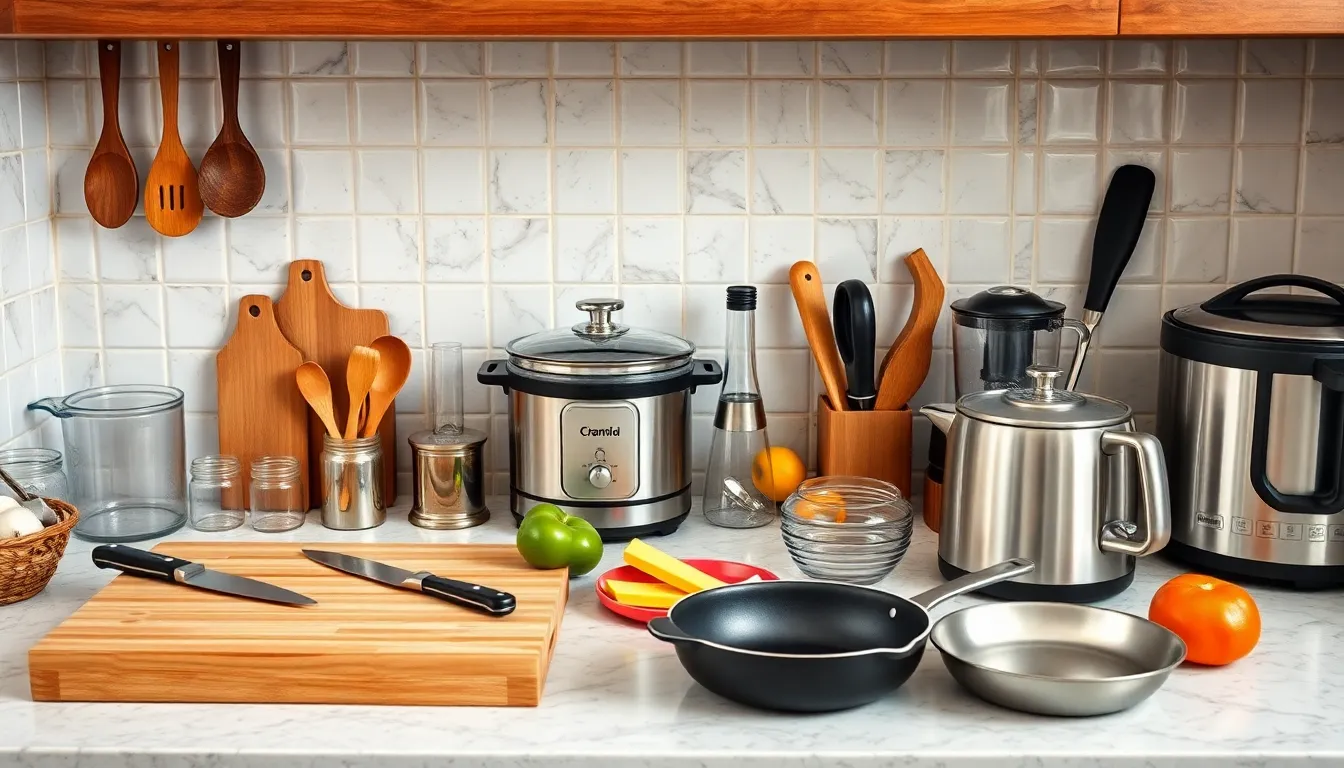
Equipping the kitchen with essential tools enhances the cooking experience.
Must-Have Utensils
A sturdy cutting board plays a key role in food preparation. A good chef’s knife lets cooks slice vegetables and meats efficiently. Wooden spoons are perfect for stirring and mixing ingredients smoothly. Measuring cups and spoons ensure precise ingredient measurements, while a spatula helps flip and serve dishes seamlessly. Tongs offer control when grilling or sautéing, enhancing the cooking process. Finally, a peeler makes handling fruits and vegetables easier.
Recommended Appliances
A reliable chef’s knife set can dramatically improve kitchen efficiency. An immersion blender allows blending soups or sauces directly in pots, reducing cleanup time. A food processor saves time on chopping, slicing, and shredding ingredients. Slow cookers create flavorful meals with minimal effort, particularly for busy individuals. An electric kettle heats water quickly for tea or instant meals, while a non-stick skillet enables hassle-free cooking and cleaning. These appliances streamline cooking, making it enjoyable and accessible.
Fundamental Cooking Techniques
Essential cooking techniques form the backbone of culinary skills. Mastering these basics simplifies meal preparation and enhances confidence in the kitchen.
Knife Skills
Good knife skills are crucial for efficient cooking. A chef’s knife serves as a versatile tool for various tasks, such as chopping, slicing, and dicing. He or she should practice proper grip techniques for control and safety. Learning to hold the knife correctly reduces the risk of accidents. Regularly honing skills like the claw grip helps maintain a secure hold on food while cutting. Additionally, understanding different cuts like julienne, chiffonade, and brunoise broadens culinary repertoire. Emphasizing precision in knife skills improves recipe outcomes and overall cooking experience.
Cooking Methods
Familiarity with various cooking methods elevates culinary abilities. Techniques like sautéing, boiling, steaming, and baking each offer unique flavors and textures. Sautéing vegetables, for instance, enhances their taste while maintaining some crispness. Boiling tends to be useful for pasta and grains, while steaming preserves nutrients in vegetables. Baking serves as a great method for producing healthier dishes, including casseroles and roasted meats. Exploring different methods encourages creativity and adaptability in meal preparation. Knowledge of cooking techniques lays the groundwork for preparing diverse cuisines with confidence.
Simple Recipes for Beginners
Starting with simple recipes helps build confidence in cooking. These meals are easy to prepare and create a solid foundation for culinary skills.
Breakfast Ideas
Oatmeal serves as a nutritious and customizable breakfast option. Combine rolled oats with water or milk, and heat until creamy. Top it with fresh fruits, nuts, or honey for added flavor. Scrambled eggs offer another versatile choice. Whisk eggs in a bowl and pour them into a hot, greased skillet. Stir gently until fluffy, and add cheese or vegetables for extra taste. Smoothies represent a quick, healthy breakfast as well. Blend bananas, spinach, yogurt, and milk until smooth. Pour the mixture into a glass, and enjoy.
Lunch and Dinner Options
Grilled cheese sandwiches exemplify a classic and simple lunch. Spread butter on bread slices, add cheese, and grill until golden brown. Pair with tomato soup for a satisfying meal. Stir-fried vegetables create a vibrant and nutritious dinner. Use a mix of favorite vegetables such as bell peppers, broccoli, and carrots, then sauté in a pan with olive oil and soy sauce. Pasta with marinara sauce offers an easy weeknight dinner. Boil pasta until al dente and heat marinara sauce in a separate pan. Mix everything together, and sprinkle with parmesan cheese for a delicious finish.
Tips for Success in the Kitchen
Success in the kitchen comes from effective strategies and awareness of common pitfalls. Implementing these tips can enhance the cooking experience.
Meal Planning Strategies
Planning meals reduces stress and saves time. Start by creating a weekly menu to identify needed ingredients. Consider batch cooking for busy weekdays. Preparing larger portions helps ensure quick access to meals later. Additionally, organizing grocery lists prevents impulse purchases and keeps shopping efficient. Incorporate variety to maintain excitement around meals. Rotating ingredients and trying new recipes keeps culinary adventures fresh. Using seasonal produce also boosts flavor and nutritional value.
Common Mistakes to Avoid
Avoiding mistakes is crucial for building confidence in cooking. Overcrowding pans during cooking can lead to uneven heat distribution. Use appropriately sized cookware for best results. Neglecting to read recipes thoroughly before starting often results in surprises. Measuring ingredients accurately ensures consistent outcomes. Skipping the prep work can make cooking chaotic; take time to gather and prepare ingredients. Lastly, don’t rush; allowing meals to develop flavors creates richer, more satisfying dishes. Learning from these common mistakes fosters improvement and mastery in cooking skills.
Embracing the basics of cooking opens a world of culinary possibilities. With newfound skills and confidence, individuals can create delicious meals that nourish both body and soul. The journey from novice to skilled cook not only enhances personal well-being but also fosters connections with others through shared experiences in the kitchen.
By mastering fundamental techniques and utilizing essential tools, anyone can transform meal preparation into a joyful and fulfilling activity. As they explore different cuisines and develop their unique styles, they’ll discover the true joy of cooking. The adventure begins with simple recipes and gradually evolves into a deeper appreciation for the art of cooking. With each dish prepared, the kitchen becomes a place of creativity and connection, making cooking an invaluable life skill.


