

Planning meals for kids can feel like navigating a culinary minefield. One minute they’re all about broccoli, and the next, it’s a full-scale revolt against anything green. But fear not, weary parent! Crafting a meal plan that keeps both nutrition and taste in check doesn’t have to be a daunting task.
Benefits Of A Meal Plan For Kids
Meal plans for kids offer numerous advantages, making them an essential tool for parents. Well-structured meal plans encourage balanced nutrition and foster overall well-being.
Promotes Healthy Eating Habits
Meal planning helps instill healthy eating habits early. Kids develop preferences for fruits, vegetables, and whole grains when these foods are regularly included. Regular exposure to nutritious options makes it easier for children to form positive associations with healthy eating. Establishing consistent meal times creates routines that nurture discipline and variety in dietary choices. Parents can also involve kids in planning, allowing them to express their tastes and preferences, thus increasing the likelihood they’ll enjoy what they eat.
Supports Growth And Development
Balanced meals play a crucial role in children’s growth and development. Nutrient-rich foods provide essential vitamins and minerals that support brain function, immune health, and physical growth. Meal plans can address specific dietary needs based on age, activity level, and any health considerations. Implementing a variety of proteins, carbohydrates, and healthy fats ensures children receive comprehensive nutrition. When parents prioritize well-rounded meals, they contribute significantly to their child’s long-term health and vitality.
Components Of An Effective Meal Plan
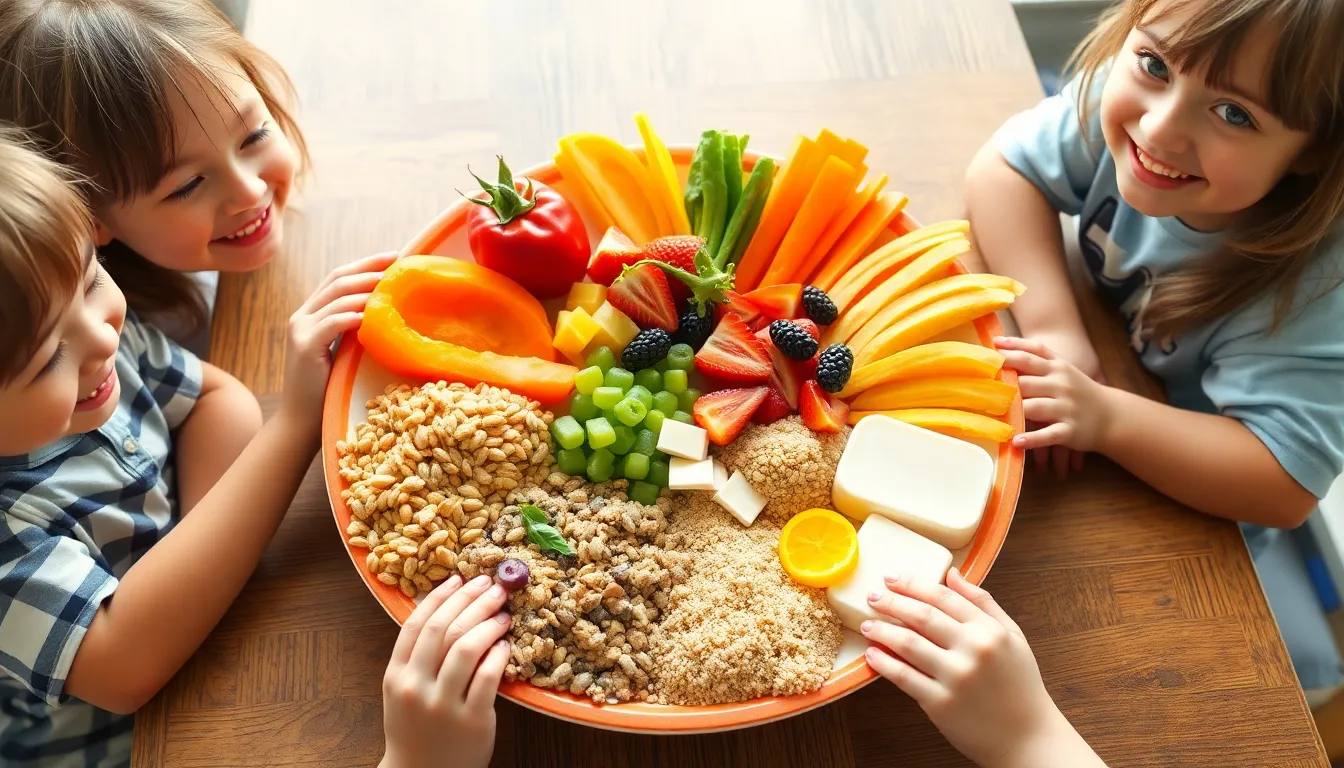
Creating an effective meal plan requires several key components that ensure children receive the nutrition they need for optimal growth and development.
Balanced Nutrition
Balanced nutrition stands as a cornerstone of any meal plan for kids. Including a variety of food groups guarantees children gain essential nutrients. Fruits provide vitamins and minerals, while vegetables contribute fiber and antioxidants. Whole grains supply energy through complex carbohydrates. Protein sources such as lean meats, fish, and legumes support muscle development. Incorporating dairy products or alternatives offers calcium for strong bones. Striving for a colorful plate encourages children to explore new flavors, helping them develop healthy eating habits early in life.
Age-Appropriate Portions
Age-appropriate portions play a crucial role in meal planning for children. Sizes must align with each child’s unique nutritional needs. Younger children typically require smaller portions than older kids, as their caloric intake differs. Keeping recommended serving sizes in mind helps prevent overeating while ensuring adequate nutrition. Monitoring portion sizes teaches children about self-regulation and listening to their hunger cues. Infants may consume 2-4 ounces of food per feeding, while toddlers often need 1-2 servings of protein and whole grains daily. Balancing portions creates a foundation for healthy eating behaviors throughout life.
Tips For Creating A Meal Plan For Kids
Creating a meal plan for kids involves practical strategies that promote healthy eating. Parents can enhance their children’s willingness to try new foods through purposeful engagement.
Involving Kids In Meal Planning
Incorporating kids in meal planning encourages them to take ownership of their food choices. Parents can ask children about their favorite fruits and vegetables, allowing for more customization in meals. Allowing kids to help select recipes fosters excitement about mealtime. Involving them in grocery shopping provides opportunities to learn about various food groups. Through this collaboration, children develop a sense of responsibility and investment in their nutritional choices.
Making Meals Fun And Engaging
Making meals fun creates positive connections with food. Parents can use themed dinners, like “Taco Tuesday,” to spark interest. Colorful plates with visually appealing arrangements increase the likelihood of kids trying new items. Engaging children in cooking activities cultivates essential skills while creating lasting memories. Using creative names for dishes, like “dragon fruit smoothie,” can intrigue their imaginations. Exciting mealtime experiences promote openness to diverse flavors and ingredients.
Sample Meal Plans
Creating a balanced meal plan can simplify daily routines and promote healthy eating habits for kids. Here are some practical examples to consider.
Breakfast Ideas
Oatmeal offers excellent fiber and can be topped with fresh fruits like bananas or berries. Greek yogurt provides protein and pairs well with honey and granola. Whole grain pancakes can incorporate pureed fruits for added nutrition. Scrambled eggs can be served with spinach and whole-grain toast, making eggs rich in protein more appealing. Smoothies, made with leafy greens, fruits, and a splash of milk, provide an easy and nutritious option to kickstart the day.
Lunch Suggestions
Whole grain sandwiches filled with lean turkey, cheese, and leafy greens present a balanced, kid-friendly meal. Quinoa salads can feature colorful vegetables and a lemon vinaigrette, promoting a diverse nutrient intake. Vegetable wraps using hummus are fun and easy to customize with various fillings. Homemade soups, such as minestrone or vegetable, can be nutritious and satisfying. Bento boxes can encourage variety with fruits, veggies, proteins, and whole grains placed in bite-sized pieces for convenience.
Dinner Options
Grilled chicken served with roasted sweet potatoes and steamed broccoli delivers a well-rounded dinner option. Stir-fries can incorporate lean beef or tofu with mixed vegetables over brown rice, making meals flavorful. Tacos filled with black beans, corn, and avocado provide nutritious fun for kids. Baked salmon with quinoa and asparagus offers omega-3 fatty acids essential for development. Homemade pizza can be a healthy choice by using whole wheat crust and assorted vegetable toppings, allowing children to create their perfect meal.
Creating a meal plan for kids doesn’t have to be overwhelming. With a little creativity and organization parents can ensure their children enjoy nutritious and delicious meals. By incorporating a variety of food groups and engaging kids in the planning process parents can foster healthy eating habits that last a lifetime.
The benefits of a well-structured meal plan extend beyond nutrition. It nurtures discipline and encourages children to explore diverse flavors and textures. As parents prioritize balanced meals they lay the foundation for their child’s overall health and well-being. With the right approach meal planning can be a fun and rewarding experience for both parents and kids.


