
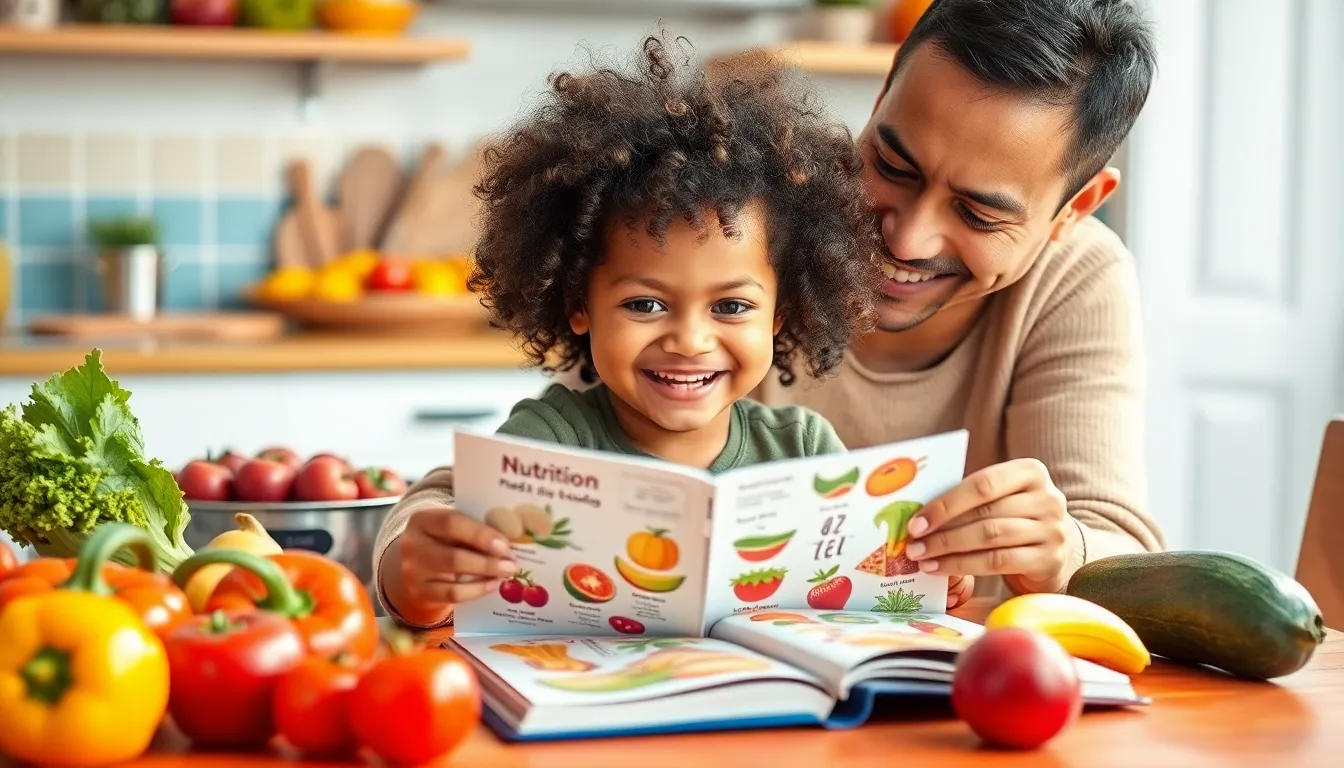
In a world where kids are more likely to recognize a cartoon character than a carrot, teaching them about nutrition can feel like a daunting task. But fear not! Nutrition books for kids are here to save the day, armed with colorful illustrations and fun stories that make healthy eating an adventure. These books don’t just teach kids about fruits and veggies; they turn them into superheroes of their own health journey.
Importance Of Nutrition For Kids
Nutrition is crucial for children’s growth and development. A well-balanced diet supports physical health and cognitive function, laying the foundation for a lifetime of healthy habits.
Benefits Of Early Nutrition Education
Early nutrition education promotes healthier eating habits among children. With knowledge about fruits, vegetables, and whole grains, kids are more likely to make better choices. Studies show that children who learn about nutrition perform better academically and develop stronger immune systems. Engaging with nutrition books introduces concepts in fun ways, fostering curiosity and encouraging healthy food exploration. Meals become opportunities for learning, making them enjoyable rather than tedious.
Role Of Parents And Educators
Parents and educators play vital roles in children’s nutritional education. They set examples through their food choices and attitudes toward healthy eating. Educators can incorporate nutrition lessons into their curricula, using books to reinforce concepts. Communication about food choices strengthens children’s understanding. Sharing family meals allows parents to discuss the importance of nutrition directly. Support from both parents and educators ensures that children receive consistent messaging about healthy eating practices, creating a positive environment for learning.
Top Nutrition Books For Kids
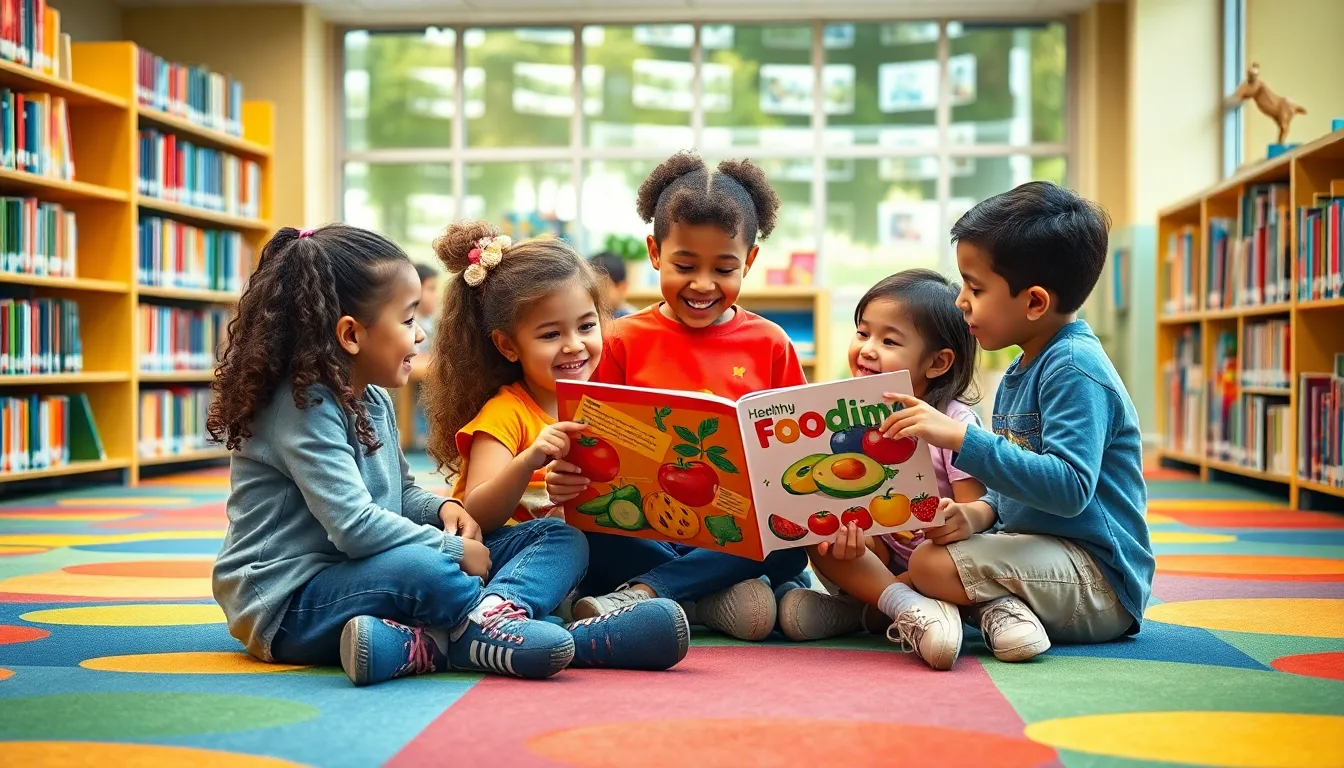
Exploring nutrition books for kids provides access to engaging material that teaches healthy eating in a fun way. These books serve as valuable resources, encouraging young readers to make informed food choices.
Picture Books For Younger Children
Vibrant illustrations and simple narratives captivate younger children. Titles such as “The Very Hungry Caterpillar” by Eric Carle introduce basic food concepts through visually appealing stories. Another notable book, “Eating the Alphabet” by Lois Ehlert, showcases fruits and vegetables from A to Z, enhancing vocabulary while sparking curiosity about various foods. Also, “Green Eggs and Ham” by Dr. Seuss presents the idea of trying new foods, using humor to promote adventurous eating. These picture books motivate young readers to explore healthy foods in a playful and enjoyable way.
Informative Books For Older Kids
Older kids benefit from books that provide more in-depth knowledge about nutrition. “Eat Your Vegetables” by Dr. John D. H. Tapper teaches the importance of diverse foods in an engaging manner. “The 30-Day Healthy Eating Challenge” by Teresa Smith encourages interactive involvement through meal planning and recipes tailored for children. Another excellent choice, “Food Science for Kids” by Keri Glassman, offers scientific explanations about food while incorporating fun experiments. These informative books enhance awareness of balanced diets, fostering lifelong healthy habits among older kids.
Themes Covered In Nutrition Books
Nutrition books for kids cover a variety of essential themes that engage young readers in healthy eating practices. These themes often include healthy eating habits, understanding food groups, and fun interactive activities.
Healthy Eating Habits
Healthy eating habits are often emphasized in nutrition books for kids. These books introduce concepts like balanced meals and portion control. Engaging stories promote the idea of making nutritious choices enjoyable. Children learn the importance of fruits and vegetables in their diets. They also discover the benefits of drinking water over sugary beverages. Books that focus on healthy snacks guide children toward making better choices between meals.
Understanding Food Groups
Understanding food groups is another theme present in many nutrition books. Readers gain knowledge about protein, grains, fruits, vegetables, and dairy. Each food group is often illustrated to highlight its significance in a balanced diet. Visual aids help children identify healthy options in each category. Information on how food provides energy for play and learning makes it relatable. Many books encourage kids to explore diverse foods in each group, fostering curiosity about their nutritional value.
Fun and Interactive Activities
Fun and interactive activities play a vital role in nutrition books for kids. Many titles include games and quizzes that reinforce healthy eating knowledge. Coloring pages and puzzles keep children engaged while learning about food. Cooking activities encourage hands-on experiences, empowering kids to create nutritious meals. Some books provide challenges, like trying a new vegetable each week, making healthy exploration exciting. Interactive elements stimulate creativity and foster a love for healthy foods.
Tips For Choosing The Right Book
Selecting the right nutrition book for kids involves several important factors. Parents and educators should consider age appropriateness, engagement levels, and expert recommendations to ensure effectiveness.
Age Appropriateness
Selecting a book suitable for a child’s age can enhance understanding and retention. Younger children benefit from picture books that use simple language and vibrant illustrations. Books designed for early readers often incorporate familiar characters and playful narratives. As children mature, informative texts become more relevant, providing deeper insights into nutrition topics. Assessing comprehension levels helps create a tailored reading experience, making learning about nutrition enjoyable and relatable.
Engaging Illustrations and Content
Examining the visual appeal of a book is essential. Engaging illustrations draw children into the subject matter, capturing their attention and stimulating interest. Interactive elements, such as activities or questions, encourage participation in learning about healthy foods. Search for books that balance appealing visuals with informative content to create an enjoyable educational experience. Highlighting real foods and positive role models reinforces desirable eating habits.
Recommendations from Experts
Seeking guidance from nutritionists or educators adds credibility to book choices. Experts often curate lists of recommended nutrition books that effectively teach kids about healthy eating. Checking resources from reputable organizations or educational websites can provide well-vetted suggestions. Choosing books that professionals endorse ensures the information aligns with nutritional standards and promotes accurate understanding. Following expert recommendations aids in selecting literature that supports lifelong healthy habits.
Nutrition books for kids play a crucial role in shaping their understanding of healthy eating. By transforming nutrition education into an engaging experience, these books inspire children to explore nutritious foods with curiosity and excitement.
With vibrant illustrations and interactive content, they not only educate but also empower young readers to make informed food choices. As parents and educators foster a supportive environment around nutrition, they help children develop lifelong healthy habits that contribute to their overall well-being.
Investing time in selecting the right nutrition books can significantly impact a child’s relationship with food, setting the stage for a healthier future.


