

Weight loss can feel like a never-ending struggle, with diets that promise the moon but leave you craving pizza. Enter the plate method—a simple, no-nonsense approach that makes portion control as easy as pie (or should we say, as easy as a well-balanced plate?). This method isn’t just about counting calories; it’s about creating a colorful, satisfying plate that keeps hunger at bay while helping those pesky pounds melt away.
Overview Of The Plate Method For Weight Loss
The plate method offers a practical approach to managing portion sizes. It emphasizes filling a plate with specific food group proportions to create balanced meals. Half of the plate should consist of fruits and vegetables. This combination provides essential vitamins and minerals while keeping calories low.
A quarter of the plate is designated for lean proteins. Options like chicken, fish, beans, and tofu help maintain muscle mass during weight loss. Finally, the remaining quarter accommodates whole grains or starchy vegetables such as brown rice or sweet potatoes. These foods provide energy and fiber, which promote satiety.
Visual appeal plays a significant role in the plate method. A well-arranged plate not only looks inviting but also encourages more mindful eating. People often find that attractive meals lead to slower eating and improved digestion. Moreover, focusing on colors and variety enhances nutrient intake, making meals more enjoyable.
Using this method simplifies meal planning and preparation. Individuals can easily swap ingredients based on seasonal availability or personal preferences. Meal components remain interchangeable while still adhering to the plate’s foundational guidelines.
The plate method also helps recognize hunger and fullness cues. Observing portion sizes enables individuals to become more aware of their eating habits. Incorporating this awareness supports long-term weight management goals.
Many people find the plate method sustainable, as it doesn’t require strict calorie counting. This freedom allows for flexibility in choices while fostering healthier eating patterns. Through consistent practice, the plate method can effectively aid in achieving weight loss objectives.
Benefits Of The Plate Method
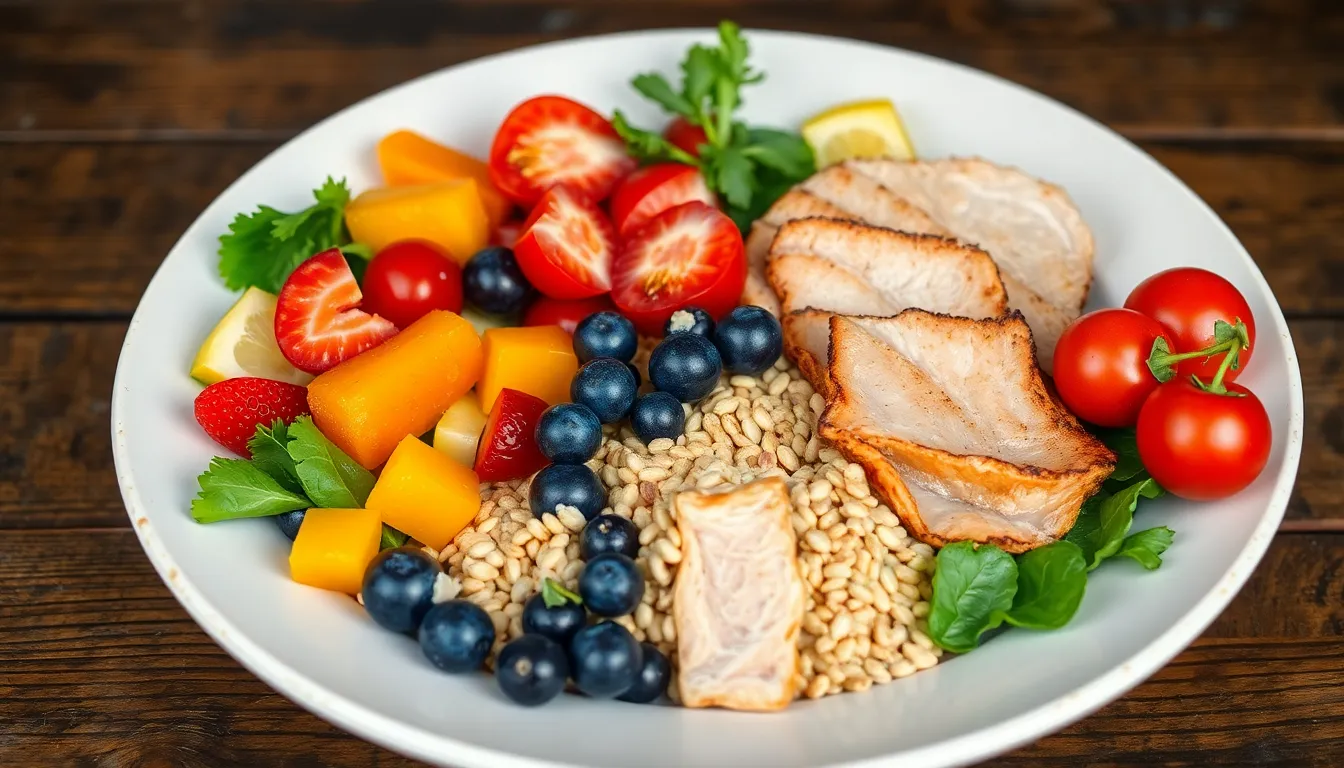
The plate method offers several advantages for weight loss and overall health. It encourages balanced meals that are visually appealing and satisfying.
Balanced Nutrition
Filling half the plate with fruits and vegetables ensures adequate intake of essential vitamins and minerals. This variety supports overall health and enhances nutrient absorption. Including a quarter of the plate for lean proteins, such as chicken, fish, or tofu, helps maintain muscle mass during weight loss. Whole grains or starchy vegetables can fill the remaining quarter, providing energy and fiber. Such a balance fosters healthy eating patterns that contribute to sustained weight management. Many observers notice that the plate method promotes mindful eating, helping individuals appreciate the diversity of food on their plates.
Portion Control
Portion control becomes more manageable with the plate method. Visualizing each food group’s recommended portion size simplifies meal planning and reduces the likelihood of overeating. Individuals no longer need to count calories, as their focus shifts to the plate’s layout. This method encourages eating until satisfied, rather than full, which can create a healthier relationship with food. Recognizing hunger and fullness cues is easier, enhancing awareness of dietary habits. Participants in this approach frequently report feeling less deprived, easing the path toward weight loss goals.
How To Implement The Plate Method
Implementing the plate method involves simple steps to create balanced meals. Careful selection of dinnerware and meal design enhances the overall experience.
Selecting Your Plate
Choosing the right plate sets the foundation for the plate method. Use a standard-sized plate, typically 9 to 10 inches in diameter. This size visually supports appropriate portion control. Opt for colorful plates, as they make meals more appealing and may encourage healthier choices. Consider using bowls for soups or salads, as they can also support portion control while maintaining balance. Smaller plates help in visualizing servings, making it easier to keep portions in check.
Designing Your Meals
Designing meals involves a straightforward process of proportioning food groups. Begin by filling half the plate with fruits and vegetables, as these provide essential nutrients. Next, allocate a quarter of the plate for lean proteins, such as chicken, fish, or tofu, to support muscle maintenance. Finally, dedicate the last quarter to whole grains or starchy vegetables for energy and fiber. Incorporate diverse colors and textures to make meals visually appealing and enjoyable. Swap ingredients based on availability or preference while adhering to these ratios, promoting flexibility within the method. Focus on mindful eating by taking time to enjoy each bite, respecting hunger and fullness cues.
Common Misconceptions
Many believe the plate method requires strict food restrictions. This misconception overlooks the method’s flexibility, allowing individuals to choose ingredients based on preferences and availability.
Some think that portion control equates to calorie counting. In reality, the plate method simplifies portion visualization. By dividing the plate into specific proportions, individuals can manage their food intake without the stress of meticulous tracking.
People often assume the plate method lacks variety. This is inaccurate, as it encourages diverse food selections. Incorporating various fruits, vegetables, lean proteins, and whole grains can enhance meal diversity while adhering to the method’s guidelines.
Another common myth suggests this method is only for weight loss. Although effective for shedding pounds, it promotes overall healthy eating habits, making it suitable for anyone seeking balanced nutrition.
Many also perceive the method as complex or time-consuming. In truth, creating balanced meals becomes quicker and easier through structured planning. Using standard-sized plates streamlines meal preparation, making it convenient for daily use.
Some think that mindfulness practices only apply to certain eating styles. Yet, the plate method inherently fosters mindful eating. It encourages individuals to pay attention to hunger cues while enjoying their meals, regardless of the food types chosen.
Lastly, there’s a belief that indulging in favorite foods breaks the plate method’s principles. This is untrue, as moderation is key. Enjoying favorite options within the recommended proportions maintains flexibility and satisfaction while supporting health objectives.
Success Stories
Individuals embracing the plate method report significant weight loss success. One individual, Sarah, shared her journey of losing 30 pounds over six months, primarily by adhering to the simple principles of the method. Consistently filling half her plate with colorful fruits and vegetables made a difference in her meals and overall health.
John, another participant, highlighted how the plate method improved his eating habits. He lost 20 pounds and experienced a reduction in cravings by focusing on balanced proportions. Prioritizing lean proteins and whole grains helped him maintain energy levels throughout the day.
Many users express the method’s flexibility as a key factor in their weight loss journeys. For example, Emily emphasized how easy it is to swap ingredients based on what’s available. Adjusting meal compositions allowed her to enjoy a variety of foods while still following plate guidelines.
Participants also appreciate the visual aspect of the method. Mark noted that colorful plates make meals more enjoyable, promoting a positive relationship with food. Mindful eating practices encouraged him to listen to his body’s hunger and fullness cues.
Others report a decrease in feelings of deprivation. Lisa stated that she could indulge in her favorite dishes while maintaining portion control. By keeping her treats within the recommended proportions, she felt satisfied without compromising her weight loss goals.
The sense of community among those using the plate method often motivates sustained commitment. Many share their experiences and tips in online forums, inspiring others to explore this effective approach to healthy eating. Overall, these success stories highlight how the plate method fosters sustainable weight loss through balanced nutrition and intuitive eating practices.
The plate method stands out as a practical approach to weight loss. By focusing on balanced portions and mindful eating, it encourages healthier habits without the stress of strict dieting. Individuals can enjoy a variety of foods while maintaining control over their portions.
The visual appeal of a well-arranged plate not only enhances meal enjoyment but also promotes awareness of hunger and fullness cues. This method fosters a positive relationship with food, making it easier to achieve and sustain weight loss goals. With its flexibility and simplicity, the plate method proves to be a valuable tool for anyone looking to improve their eating habits and overall health.


