
Cooking with kids can be a delightful adventure that sparks creativity and fosters a love for food. Simple kids recipes not only make mealtime fun but also provide a fantastic opportunity for little chefs to learn essential skills in the kitchen. With easy-to-follow instructions and minimal ingredients, these recipes turn cooking into an enjoyable bonding experience.
Simple Kids Recipes: A Comprehensive Review
Simple kids recipes offer a range of options that make cooking enjoyable and educational. These recipes typically require minimal ingredients and straightforward steps, making them ideal for children.
Quick and Easy Snack Options
- Fruit Kabobs
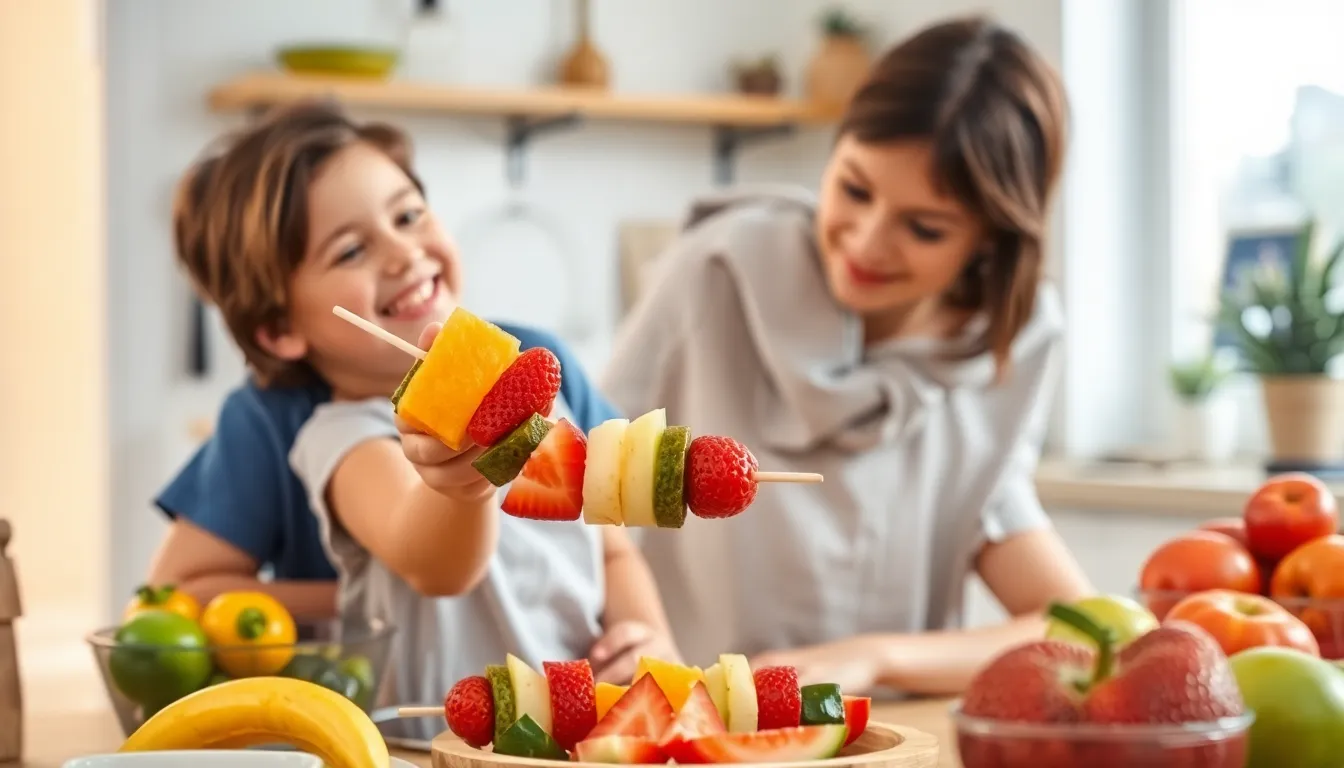
Fruit kabobs combine various fruits like strawberries, bananas, and grapes. Kids can assemble their kabobs on wooden skewers, promoting creativity and encouraging healthy eating.
- Peanut Butter Banana Toast
Peanut butter banana toast involves spreading peanut butter on whole-grain bread and topping it with banana slices. This nutritious snack provides energy and supports healthy development.
- Yogurt Parfaits
Yogurt parfaits layer yogurt, granola, and mixed berries. Kids appreciate the colorful presentation, contributing to a balanced diet and teaching them about portion control.
Simple Meal Ideas
- Mini Pizzas
Mini pizzas use English muffins or pita bread as a base. Kids can top these with tomato sauce, cheese, and assorted toppings, allowing personalization and enhancing cooking skills.
- Pasta Salad
Pasta salad mixes cooked pasta with diced vegetables and a simple dressing. This dish is versatile and teaches children about combining flavors and textures while promoting healthy eating habits.
- Quesadillas
Quesadillas feature tortillas filled with cheese and any choice of protein or vegetables. Cooking them on a skillet introduces kids to basic cooking techniques such as flipping and sautéing.
Fun Desserts
- Chocolate-Dipped Strawberries
Chocolate-dipped strawberries involve melting chocolate and dipping fresh strawberries. This easy dessert is a favorite, adding fun and a lesson on melting chocolate for kids.
- Homemade Fruit Sorbet
Homemade fruit sorbet blends frozen fruit with a splash of juice. Kids gain experience with a blender and enjoy a refreshing treat in the process.
- No-Bake Cookies
No-bake cookies require simple ingredients like oats, peanut butter, and chocolate. Mixing these ingredients in a bowl allows kids to create delicious snacks without using an oven.
Conclusion
Simple kids recipes provide enjoyable cooking experiences that foster skills and creativity. These recipes contribute to healthy habits while strengthening bonds between parents and children.
Benefits of Cooking with Kids

Cooking with kids offers numerous advantages that extend beyond the kitchen. It serves as a platform for learning essential skills while fostering creativity and nurturing healthy habits.
Enhancing Life Skills
Cooking enhances several life skills in children.
- Problem-solving: Kids learn to tackle challenges, like ingredient substitutions or timing issues, while preparing meals.
- Teamwork: Working together in the kitchen fosters collaboration and communication among family members.
- Measurement: Cooking involves precise measurement of ingredients, teaching kids basic math concepts and fractions.
- Responsibility: Children gain a sense of ownership by following recipes and completing tasks, which builds accountability.
- Time management: Preparing meals encourages kids to plan and prioritize tasks, helping them develop efficient time-use habits.
Encouraging Healthy Eating Habits
Cooking promotes healthier eating habits in children.
- Ingredient awareness: Kids learn about nutritious ingredients, helping them make informed food choices.
- Cooking skills: Mastering basic cooking techniques empowers kids to prepare their meals instead of relying on processed foods.
- Variety: Involvement in meal preparation encourages kids to try new foods and flavors, increasing dietary diversity.
- Mindful eating: Engaging in cooking fosters appreciation for food and promotes a positive relationship with eating.
- Family bonding: Cooking together as a family reinforces positive associations with healthy eating and encourages shared meal experiences.
Types of Simple Kids Recipes
Simple kids recipes can be categorized into various meal types, each designed to be easy and enjoyable for children to create. Here’s a closer look at different options.
Breakfast Ideas
Breakfast ideas offer nutritious starts to the day. Recipes such as:
- Fruit Smoothies: Blend yogurt with fresh fruits for a tasty drink.
- Overnight Oats: Combine oats, milk, and fruits in a jar for a quick morning meal.
- Egg Muffins: Whisk eggs with vegetables and cheese, then bake in muffin tins.
These options promote healthy eating habits and allow kids to engage with ingredients.
Lunch and Snack Options
Lunch and snack options provide energy boosts throughout the day. Recipes include:
- Mini Sandwiches: Assemble whole grain bread with meats and veggies for personalized creations.
- Veggie Wraps: Fill tortillas with a variety of fresh vegetables and hummus for a nutritious snack.
- Trail Mix: Combine nuts, seeds, and dried fruits for a quick, protein-packed treat.
These recipes encourage creativity and allow for customization according to tastes.
Dinner Meals
Dinner meals can offer a satisfying end to the day. Suitable recipes consist of:
- Tacos: Kids can fill taco shells with meat, beans, cheese, and toppings.
- Stir-Fried Rice: Sauté cooked rice with colorful vegetables and a protein for a simple one-pan meal.
- Skewered Chicken: Thread chicken pieces and veggies onto skewers for grilled delights.
These options enable kids to learn essential cooking skills while preparing delicious meals.
Tips for Cooking with Kids
Cooking with kids can be a rewarding experience when done safely and with excitement. Here are essential tips to enhance the cooking experience for both parents and children.
Safety in the Kitchen
Ensuring safety in the kitchen is paramount when cooking with kids.
- Supervise at All Times: Adults should supervise children closely, especially during tasks involving sharp objects or hot surfaces.
- Use Age-Appropriate Tools: Select tools suited for the child’s age and skill level, such as plastic knives for cutting soft foods or kid-safe utensils.
- Teach Proper Handwashing: Emphasize handwashing before cooking and after handling raw ingredients to prevent foodborne illness.
- Set Clear Boundaries: Define safe zones, such as areas around the stove or sharp objects, and communicate these boundaries to children.
- Identify Allergens: Discuss food allergies and ensure ingredients are safe for all participants.
Keeping It Fun and Engaging
Making cooking enjoyable keeps kids interested and excited about food.
- Encourage Creativity: Allow children to personalize recipes by choosing toppings or flavors, fostering their creativity and ownership.
- Incorporate Games: Introduce cooking-related games, like timed challenges, to make the process playful and engaging.
- Use Colorful Ingredients: Select vibrant fruits and vegetables, making meals visually appealing and fun to prepare.
- Celebrate Milestones: Acknowledge small achievements, such as successfully completing a recipe or trying a new ingredient, to boost confidence and motivation.
- Share Responsibilities: Assign age-appropriate tasks, allowing kids to participate actively and learn key skills in the kitchen.
Cooking with kids opens a world of creativity and learning. Simple recipes not only make mealtime fun but also teach valuable skills that last a lifetime. By engaging in the kitchen together parents and children strengthen their bond while fostering a love for healthy eating.
These easy-to-follow recipes encourage kids to explore flavors and textures while gaining confidence in their abilities. The joy of creating meals together can lead to lasting memories and a shared appreciation for food. Embracing this culinary journey can transform the way families approach cooking and eating, making it a delightful experience for everyone involved.


